01
Name the goal
Explain what a player is trying to notice, build, protect, guess, or connect before listing exceptions.
A good table is less about knowing every rule and more about making the next move feel possible. Learn the rhythms, build a host plan, and welcome people into the game.

Start with the experience you want people to have. Then choose the smallest explanation that gets the first turn moving.
Explain what a player is trying to notice, build, protect, guess, or connect before listing exceptions.
Move a piece, draw a card, or roll a die in view. Concrete actions make abstract systems legible.
Pause after the first round. It is easier to answer a question that emerged from play than one imagined in advance.
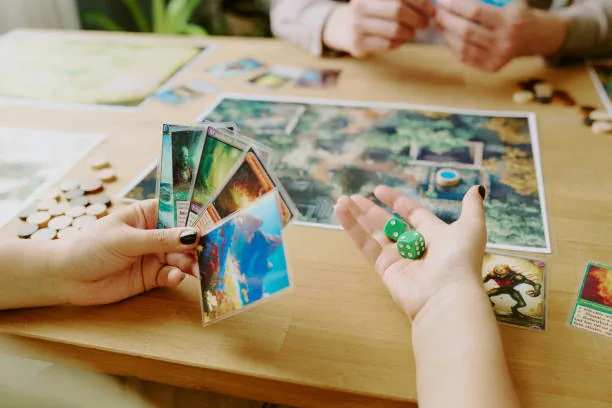
A handle is the thing a new player can do right now: choose between two cards, place a token, make a guess, or help track a shared event.
Visible information
Keep references, score tracks, and turn cues within reach.
Low-stakes practice
Call the first loop a test round, so a misstep does not feel permanent.
Permission to narrate
Say what you are considering aloud. It teaches without taking a turn away.
Room for revision
Early take-backs teach the table that learning matters more than catching errors.
Pick any path that fits your table.
Good for groups who enjoy clues, prompts, hidden information, and an excuse to keep the conversation moving.
Good for people who like patterns, planning, small efficiencies, and seeing a shared board gradually change.
Good for quick energy: tactile pieces, a little uncertainty, and enough momentum to keep the room laughing.
The same game can feel completely different at a kitchen table, a club room, or a long-distance call. Let the setting decide what needs support.
Notice fatigue, side conversations, and eagerness. These are useful table signals, not interruptions.
A simple “what changed?” cue helps people re-enter after attention wanders.
Early rewinds are an investment in confident choices later in the session.
Close when the room is still glad to return, and name a moment that worked.
Your job is not to perform expertise. It is to create a legible, low-pressure route into the shared activity.
Set out only the pieces needed to begin. Place a notepad nearby for names, teams, or questions that appear.
Tell people the shape of the session: approximate duration, whether anyone may step out, and what happens after a round ends.
Explain a win condition, demonstrate a turn, then play. Save rare cases for the rare moment they matter.
Give the ending a little air. A final reflection makes a game night feel complete even when the score is close.
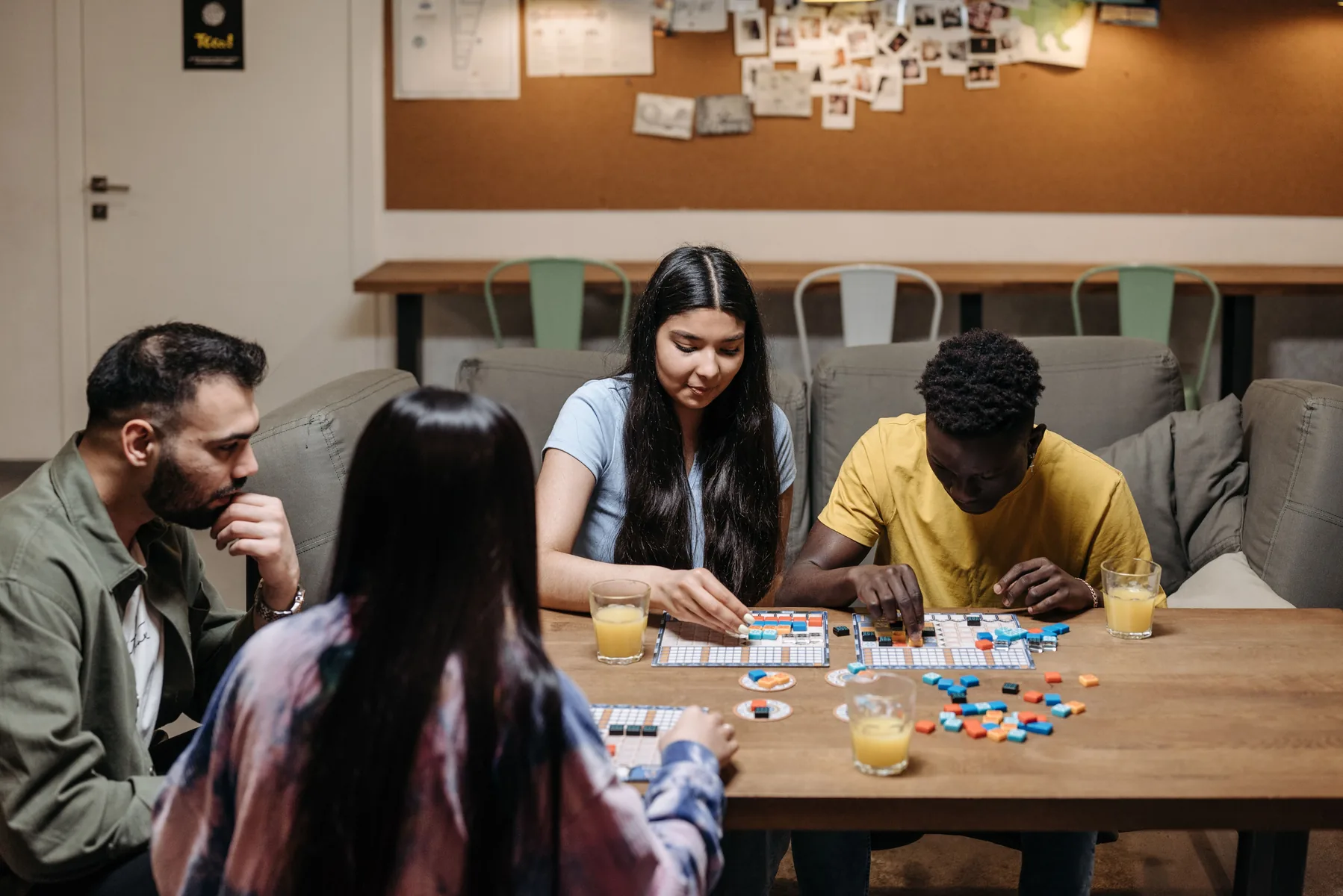
“The clearest invitation is a table where it is safe to ask what happens next.”
Keep this one near the rulebookExperience, preferences, and comfort with competition all vary. A short check-in opens the table.
Offer a nudge when someone is stuck; do not turn assistance into taking over their decision.
A player may need a break from a round, a role, or a game. Make that choice uncomplicated.
Remember clever turns, dramatic reversals, and shared jokes—not only who ended with the most points.
Use this browser-local checklist to prepare a session. Your marks stay on this device until you clear browser data.

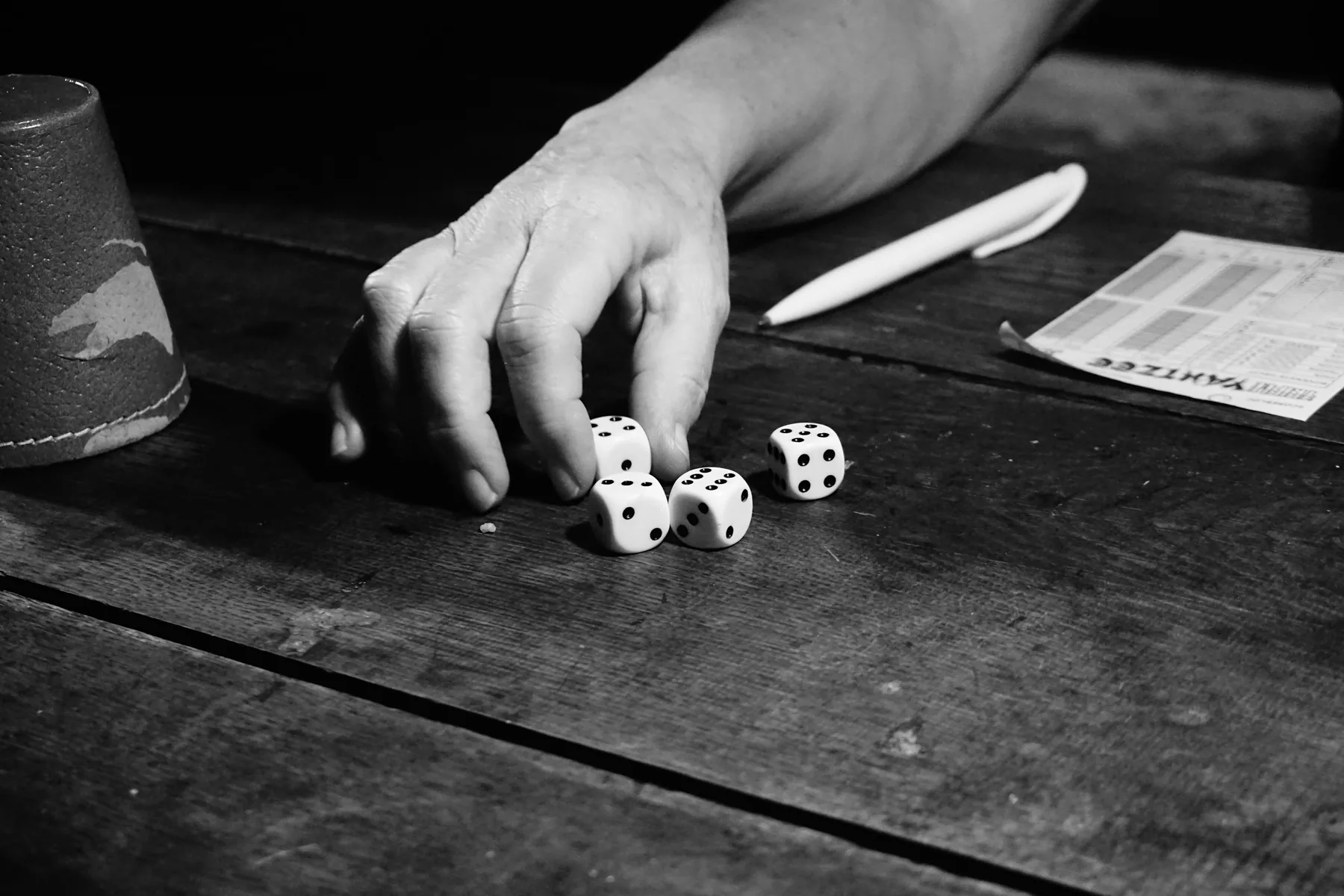
A few visual reminders: close looking, shared space, patient hands, and the quiet pleasure of a table becoming a world.

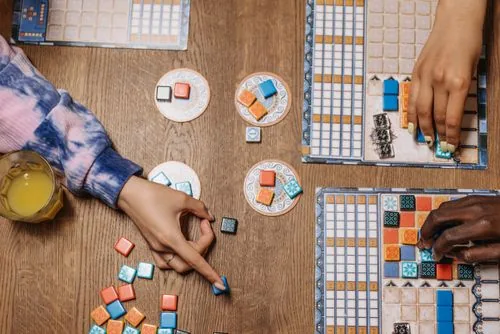
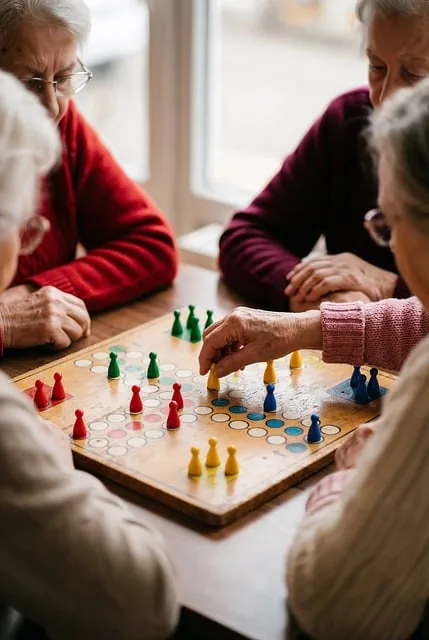
There is no single right way to gather. These answers make space for practical choices and changing needs.
Send a note about a table challenge, a facilitation idea, or a topic you would like to see explored. This site’s form runs locally in your browser and does not transmit your message.
For context:
[email protected]